
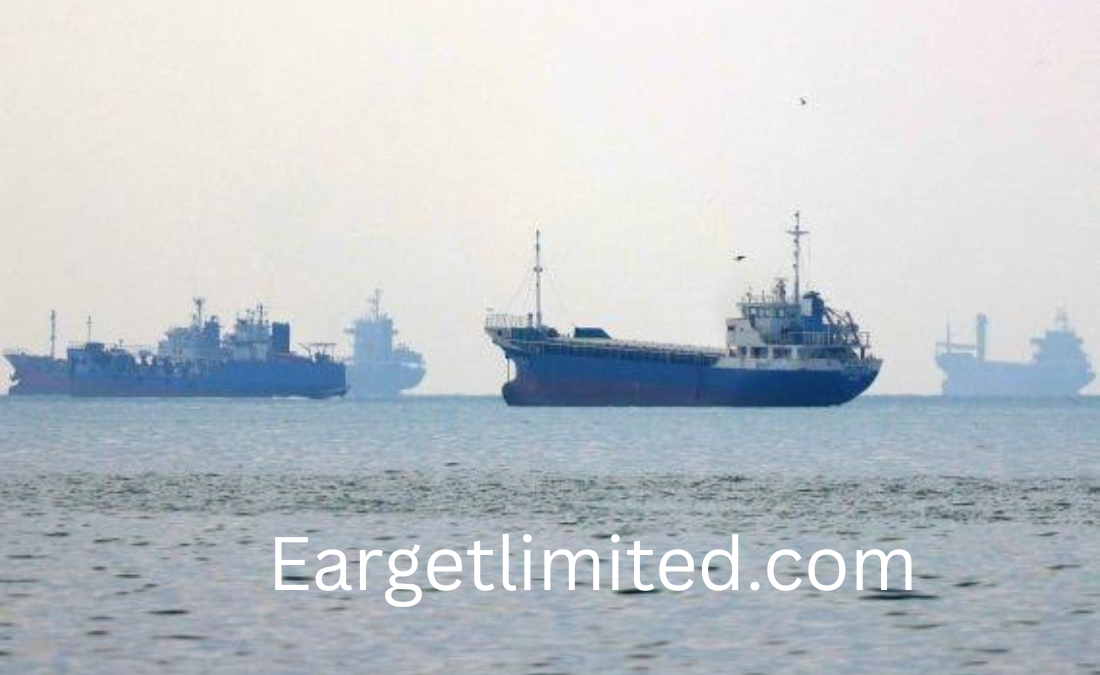
The Strait of Hormuz has been one of the most talked-about waterways in the world since early 2026, when war between the United States, Israel, and Iran turned this narrow passage into a global flashpoint. As the single most important oil chokepoint on the planet, any disruption here sends shockwaves through fuel prices, shipping routes, and economies from London to Beijing. Many people are now asking a simple question that does not have a simple answer: is the strait actually open, closed, or something in between? This article breaks down the current situation, how it developed, and what it means for major countries and the global economy.
Current Status of the Strait
As things stand today, the Strait of Hormuz is not open in any normal sense, though it is not completely sealed either. A limited number of vessels continue to pass through under strict conditions set by Iran, while most major shipping companies have chosen to avoid the route altogether because of high risk and extremely expensive war-risk insurance. Recent attacks on commercial vessels, including strikes near Qeshm Island and an assault on a tanker carrying Indian crew members off the coast of Oman, show that danger in the strait remains very real. Traffic levels are still running far below what they were before the crisis, and oil markets continue to react nervously to every new development.
How the Crisis Began
The trouble started on February 28, 2026, when the United States and Israel launched coordinated military strikes on Iran, killing Supreme Leader Ali Khamenei along with several senior officials. Iran responded by effectively shutting down normal shipping through the Strait of Hormuz, using naval mines, boarding operations, and threats against vessels linked to the United States, Israel, or their allies. Within weeks, tanker traffic through the strait collapsed by roughly ninety percent, and oil prices soared as buyers around the world worried about losing access to nearly a fifth of the planet’s daily oil supply.
The Rise and Fall of a Peace Deal
By April 2026, after talks in Islamabad failed to produce an agreement, the United States imposed its own naval blockade on Iranian ports, creating a strange standoff where both sides were effectively blocking each other. A breakthrough finally came in June, when the United States and Iran signed the Islamabad Memorandum, a peace framework mediated largely by Pakistan. Under this deal, Iran agreed to reopen the strait toll-free for sixty days and the United States lifted its blockade, leading to a brief rebound in ship traffic. That progress did not last, however. In early July, Iran attacked several commercial vessels it accused of violating its rules, the ceasefire collapsed, and the United States reinstated its naval blockade, pushing the strait back into a state of closure that has continued in various forms ever since.
Iran’s New Rules and the Latest Negotiations
In the months that followed, Iran created a new government body called the Persian Gulf Strait Authority to manage and authorize shipping through Hormuz, requiring vessels to register and in some cases pay steep fees for safe passage. The United States sanctioned this authority, calling it an illegal extortion scheme, while Iran continued to insist it had the right to control movement through waters it considers part of its territory. Since August, Iran and Oman have been negotiating a temporary shipping corridor that would allow some traffic to move safely, and officials on both sides described the talks as nearing completion. However, a wider meeting meant to bring Gulf Arab states into this arrangement, planned for mid-September in Oman, was postponed at the last moment, showing just how fragile the diplomatic progress remains.
What This Means for the United Kingdom
Britain has taken on a leading role in trying to secure the strait rather than simply waiting for it to reopen on its own. Alongside France, the UK has organized a coalition of dozens of countries, deploying a Royal Navy destroyer, mine-hunting drones, and fighter jet patrols to the region, with support from several European allies. Despite this effort, British-flagged and British-linked ships still face the same dangers, permit demands, and insurance costs as everyone else, and government advisories continue to warn shipping companies about the risks of entering the strait.
What This Means for China
China depends on the Strait of Hormuz for nearly half of its crude oil imports and a significant share of its natural gas supply, making it one of the countries most exposed to the crisis. Chinese oil imports fell sharply during the worst months of the conflict as prices rose and supply became less predictable. Large national oil reserves and existing stockpiles have helped cushion the impact, allowing China to manage the disruption more comfortably than many other importing nations, even though its access through the strait remains just as restricted as anyone else’s.
What This Means for India
India entered the crisis heavily dependent on Hormuz for both crude oil and natural gas, but the government moved quickly to reduce that reliance by sourcing more oil from Russia and other suppliers outside the region. Within weeks, officials reported that a much larger share of the country’s imports were arriving through routes that avoided the strait entirely. Even so, India has not escaped the danger completely, as shown by the recent attack on a tanker carrying Indian sailors near Oman, which left one crew member missing and highlighted how exposed shipping crews remain whenever vessels do attempt the crossing.
What This Means for Pakistan
Pakistan has played an unusual double role in this crisis, acting both as a country affected by rising oil prices and as the chief mediator trying to end the standoff. Its prime minister personally signed the peace framework that briefly reopened the strait in June, and its military leadership held direct talks with American officials throughout the conflict. In a smaller but meaningful gesture, Iran also agreed to let a limited number of Pakistani-flagged vessels cross the strait under a separate arrangement, even while the broader closure remained in place for most other shipping.
The Wider Economic Fallout
The economic consequences of this crisis have been felt far beyond the Middle East. Oil prices, which were trading comfortably before the war, spiked to their highest levels in years during the worst periods of the conflict and have continued to rise and fall sharply with every twist in the negotiations. Shipping insurance costs have climbed dramatically, pushing many companies to avoid the region altogether, while alternative routes such as pipelines through Saudi Arabia and the United Arab Emirates have absorbed only a small portion of the oil that would normally pass through Hormuz. Making matters worse, a separate crisis in the Red Sea, driven by attacks from Yemen’s Houthi rebels, has put pressure on alternate shipping paths at the same time, leaving global trade squeezed from two directions at once.
Conclusion
More than half a year after this crisis began, the Strait of Hormuz remains stuck in an uneasy middle ground between open and closed. Some ships still make the crossing under Iranian conditions, diplomatic talks continue on and off, and world leaders keep pushing for a lasting solution, yet a genuine return to normal shipping has not happened. Every attack on a vessel, every stalled negotiation, and every shift in oil prices shows how fragile the situation still is. Until Iran, the United States, and the wider region reach a durable agreement, the honest answer to whether the Strait of Hormuz is open will keep depending on which day you ask.